
This post may contain affiliate links. If you make a purchase through an affiliate link, I will earn a commission at no extra cost to you. Thanks for your support.

Photo by Sabri Tuzcu on Unsplash
A holiday video can do more than show where you went. It can capture the anticipation of arriving somewhere unfamiliar, the pleasure of finding a quiet beach, or the laughter that follows a wrong turn. These moments give viewers something to connect with beyond beautiful scenery.
Creating an engaging travel video starts with thoughtful filming and a manageable editing process. When preparing clips from different devices, Convertio lets you convert to mp4 directly in your browser before assembling your story.
With your footage ready, you can focus on choosing memorable moments, shaping the sequence, and helping viewers experience the destination through your eyes.
Give Your Video a Clear Story
Before you begin recording, think about your video’s main content. “Our holiday in Greece” gives you a location, but “Finding our favorite swimming spot on a Greek island” gives you a story. A clear focus helps you decide which moments belong.
Your story can be simple: a day exploring a neighborhood, your first overnight hike, or a weekend discovering local food. Start with an expectation, show the experience unfolding, and finish with a satisfying moment.
For example, a hiking video might begin with packing your bag, follow the changing landscape, and end with the view from the summit. This structure creates a sense of progress and gives viewers a reason to keep watching.
Open With a Moment That Sparks Curiosity
The opening should quickly show viewers why the experience matters. A memorable scene, an unexpected reaction, or a question can provide that invitation.
Instead of beginning with a long airport montage, open with the moment you finally reach a hidden waterfall. Then return briefly to the journey that brought you there. Alternatively, show a crowded food market and introduce your mission to find a dish you have never tried.
Keep the introduction focused. Long title sequences and repeated establishing shots can delay the story. Give viewers enough context to understand the setting, then let the experience begin. Your opening should make a promise that the rest of the video fulfills.
Film a Variety of Shots
Even a spectacular destination can feel repetitive when every clip uses the same angle. Variety helps viewers understand both the setting and the experience of being there.
Capture a wide shot of a village, a medium shot of someone walking through its streets, and a close shot of pastries in a bakery window. Together, these images create a richer impression than several distant views. Look for small details that reflect the place: ferry ropes, handwritten menus, muddy hiking boots, or sunlight moving across a courtyard.
Hold each shot steady for several seconds. This gives you more room to trim footage during editing and makes transitions easier. Avoid constantly swinging the camera between subjects; separate, deliberate clips are usually more useful.
Include People and Honest Reactions
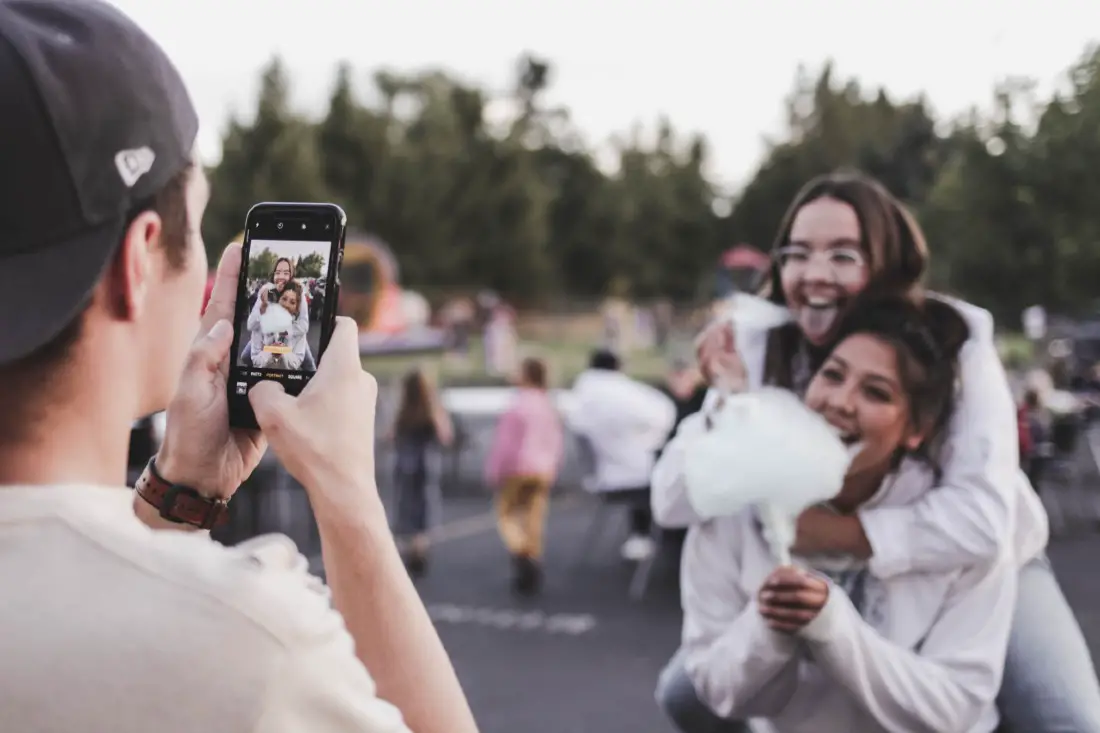
Scenery establishes the destination, while people help viewers connect emotionally. Include your travel companions enjoying a meal, figuring out a map, or reacting to an unexpected view.
You can also record brief reflections throughout the day. Describe what surprised you, what felt different from your expectations, or why a particular experience stood out. Specific observations are more interesting than repeatedly calling everything amazing.
Small mishaps can add personality when everyone involved is comfortable sharing them. A missed bus or sudden rainstorm may become part of the story.
Ask before filming someone closely, especially when recording conversations. Respect requests to stay off camera and be considerate in places where people are working, worshipping, or going about daily life.
Organize Your Footage Before Editing
Once you return to your accommodation, spend a few minutes sorting the day’s clips. Folders labeled by destination or activity make it easier to find footage later. Mark favorite moments while the details are still fresh.
Check whether your editing software accepts the files from each device. Footage collected from phones, cameras, and travel companions may arrive in different formats. Keep the original recordings and test a converted clip before processing everything. Conversion settings can affect the result, so review picture and sound quality. Organized, usable files let you concentrate on choosing moments that support your story.
Edit for Rhythm and Purpose
Build your first edit around the strongest moments. You do not need to include every attraction simply because you visited it. Each clip should introduce something, develop the experience, or help bring the story to a close.
Trim repeated views and long stretches where little changes. However, allow memorable scenes enough time to breathe. A peaceful lakeside morning may deserve a slower pace than a lively street festival.
Alternate activity with quieter observations to create rhythm. After showing a busy market, a short scene of sitting down with your food can provide a welcome pause. Simple cuts often work well. Use elaborate transitions sparingly, and choose them only when they help connect scenes or communicate a change in place or time.
Use Sound to Bring the Destination Closer
Sound can make footage feel immediate. Waves against a boat, birds along a trail, and the clatter of dishes in a café all add atmosphere.
Record a few short stretches of natural sound at each location. Stay still and avoid speaking over them so you have clean audio available during editing. Music can support the mood, but keep its volume low enough for speech to remain clear. Choose music you have permission to use for your intended publication.
A short voiceover can explain something the images cannot, such as why you changed your route or how a place made you feel.
Add Useful Context Without Crowding the Screen
Brief captions can identify locations, explain an unfamiliar activity, or clarify a change in the itinerary. Keep them readable and leave enough time for viewers to absorb them.
Subtitles also help people follow spoken sections when watching without sound. Check automated captions carefully, particularly destination names.
Final Thoughts
Engaging holiday videos come from noticing what makes an experience memorable and giving those moments a clear shape. A focused story, varied footage, honest reactions, and thoughtful sound can make even a short trip compelling.
Film with intention, edit selectively, and leave room to enjoy the holiday yourself. The best material often comes from being present.
