
This post may contain affiliate links. If you make a purchase through an affiliate link, I will earn a commission at no extra cost to you. Thanks for your support.
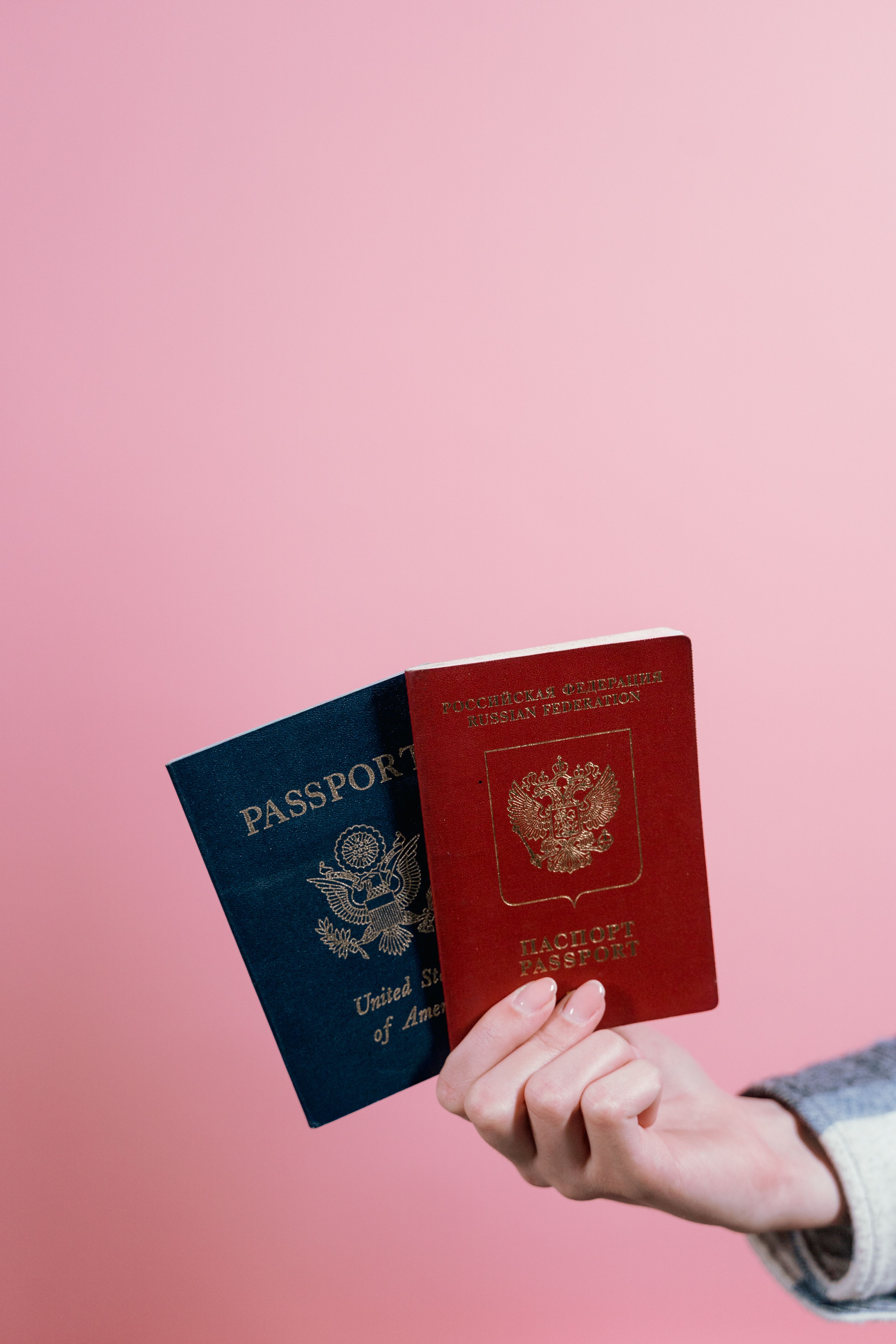
Long stays abroad present unique challenges compared to short trips. Securing the right residency or visa option often determines how you manage housing, healthcare, and financial matters while away. Careful planning is essential for a smooth transition to extended travel living.
Planning a long stay in a new country goes beyond booking a flight or finding accommodation; it requires navigating complex residency and visa systems.
Understanding the intricacies of acquiring a non lucrative visa for Spain, for example, is a specific option that demonstrates how regulations may govern your choices about work, permitted duration of stay, and eligibility for local services.
Choosing the correct permit can clarify allowed activities and help avoid disruptions. Considering these requirements early can save time and help your travels remain manageable rather than stressful.
Why Extended Travel Requires Careful Planning
Unlike short-term tourism, spending several months or longer abroad means local rules about residency, income verification, and healthcare often apply. Authorities generally distinguish between tourists and those intending longer stays, with different obligations for each category.
These policies shape not just how long you may remain but also where you may live, the kind of health coverage you will need, and whether you can access local banking. The need for clarity drives careful research, as conditions may influence nearly every aspect of daily life during an extended absence from home.
Extended stays also come with additional paperwork and procedural steps. Factors like visa terms, appointment lead times at embassies, and supporting document requirements mean that rushed planning can easily lead to missed opportunities or costly mistakes.
Key Terms That Structure Your Legal Stay Abroad
Understanding the difference between a visa, a residence permit, and a legal stay limit is crucial. A visa is generally a pre-entry approval that often restricts work or study; it typically precedes a residence permit, which gives the right to remain for a defined period for a specific purpose.
Legal stay limits are set periods you may remain as a visitor, commonly 90 days, before a longer-term authorization is required. Each status defines what activities you can legally pursue, from employment to benefiting from national healthcare.
Long stays are usually those exceeding tourist allowances, often ranging from three months to several years. These stays may require specific visas or permits, depending on your intentions and resources.
If you want to go a little deeper into the legal necessities of how visas work, you can visit Spainnonlucrativevisa.com for more information, which can serve as a reference point when comparing different requirements or understanding the consequences of each type of status.
Common Residency Routes For Extended International Stays
Several broad pathways allow longer residence abroad. Study-related permissions enable students to enroll for courses, while work-based routes accommodate those with job offers or plans to launch self-employed activities, provided they meet local conditions.
Family reunification and partner-based options facilitate reunions where close relationships exist, setting their own documentary requirements and timelines. Retirement or financially independent stays often center on showing stable income streams to support daily life, without reliance on local employment.
Youth and cultural exchange programs can allow younger adults to experience cultural immersion or limited work arrangements under age-restricted frameworks. Each of these routes shapes what you can do and the administrative steps required to remain in good standing.
Choosing between them depends on factors such as your income source, ability or intention to work, plans for family, and how long you aim to stay. These early choices will determine which application track is best suited for your objectives.
Essential Documentation and Practical Considerations
Regardless of the pathway, there are several standard requirements. A valid passport is essential, usually with a validity extending beyond your planned departure. Proof of funds is often required to show self-sufficiency, whether through bank statements, scholarship confirmation, or evidence of pension income.
Many authorities require comprehensive health insurance, with coverage matching local standards. Background checks, formal accommodation or address proof, and official translations or apostilles often round out the document list.
It is important to account for the validity period of each document. Certificates that expire before assessment can delay or derail your application, while overlooked translation requirements may force repeated submissions.
Advance planning is key, particularly regarding embassy appointments, processing timelines, and potential backlogs. Budgeting extra time for administrative steps helps you avoid overstaying visitor periods or facing avoidable disruptions to your travel.
Staying organized by keeping both digital and paper copies of submissions, regularly checking for updates from relevant authorities, and anticipating delays will leave you better prepared. This foresight makes the process less overwhelming and lets you focus on the experiences that motivated your long stay in the first place.
